

By Shariful Alam Pavel · Updated 26 November 2026
The best sewing machine for quilting is one with a wide throat space, a steady straight stitch, a ¼-inch foot and a walking foot, plus a way to drop the feed dogs for free-motion work. Beyond that, the right machine depends on whether you mostly piece, quilt your own tops, or want one machine for everything. Team Joy’s Fabrics reviewed and researched the machines below from makers’ and dealers’ published specifications; we have not tested them. This guide explains the features that matter, compares three widely sold machines, and helps you match a machine to the way you quilt.
Key facts
- Throat space, the distance from the needle to the machine body, decides how much quilt fits under the arm.
- A ¼-inch foot gives accurate piecing seams; a walking foot feeds the layers evenly when quilting.
- High-speed straight-stitch machines, such as the Juki TL-2010Q, sew up to 1,500 stitches per minute.
- Budget computerized machines, such as the Brother CS7000X, add many stitches but sew slower.
- Brother’s own site lists the PQ1500SL as discontinued, so look for it used or choose a current model.
- These picks are based on our research, not our own testing.
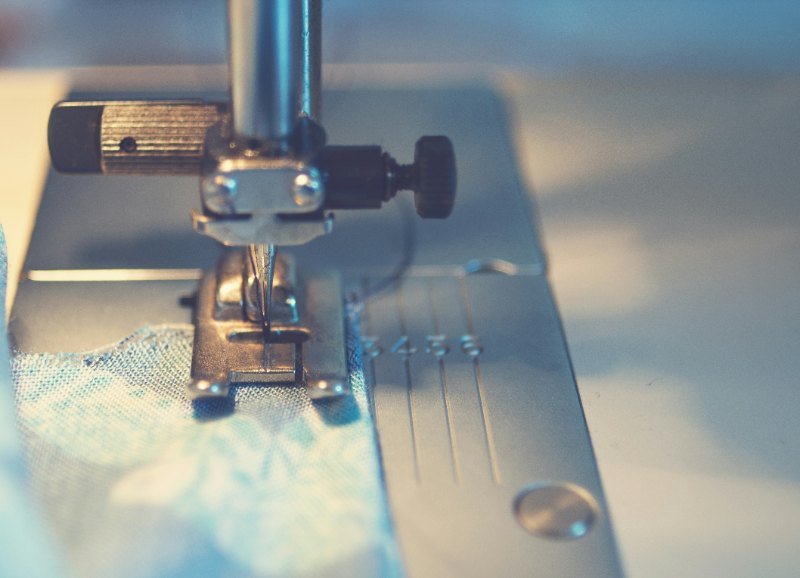
Features that matter for quilting
| Feature | Why it matters for quilting |
|---|---|
| Throat space (harp) | More room to roll a quilt under the arm when quilting |
| Straight stitch quality | Piecing and quilting rely on an even straight stitch |
| ¼-inch foot | Gives the standard quilting seam allowance |
| Walking foot | Feeds the top, batting and backing evenly |
| Drop feed dogs and darning foot | Needed for free-motion quilting |
| Needle up/down and thread cutter | Saves time at every turn |
| Knee lifter | Raises the foot so both hands stay on the quilt |
| Extension table | Supports the weight of the quilt |
Throat space and an even feed matter most once you quilt your own tops.
Speed matters less than control. A machine that can run fast but crawl smoothly at low speed is easier to quilt on.
Three machines compared
Specifications below come from the makers and authorized dealers.
| Machine | Type | Max speed | Throat or work space | Stitches | Notes |
|---|---|---|---|---|---|
| Juki TL-2010Q | High-speed straight stitch | 1,500 spm | About 8½ in, per dealers | Straight only | Speed slider, thread trimmer, knee lifter |
| Brother PQ1500SL | High-speed straight stitch | 1,500 spm | 5.7 × 8.6 in work space | Straight only | Listed as discontinued by Brother |
| Brother CS7000X | Computerized | 750 spm | Not published by Brother | 70 | Wide table, 10 feet incl. walking and quilting feet |
spm means stitches per minute. Prices change; Brother lists the CS7000X at $279.99, and dealers listed the Juki TL-2010Q at about $1,199 in 2026.
Juki TL-2010Q
A straight-stitch machine built for speed and quilting. Juki’s specifications give a maximum of 1,500 stitches per minute and a 6 mm maximum stitch length. Dealers list an 8½-inch throat, a speed control slider, an automatic thread trimmer and a knee lifter, and note the aluminum die-cast body. It does only a straight stitch, so it suits quilters who piece and quilt but do not need zigzag or buttonholes.
Brother PQ1500SL
Brother’s comparable straight-stitch machine, also rated at up to 1,500 stitches per minute, with a 5.7 × 8.6-inch work space, a knee lifter, a pin-feed system and four feed dog height settings, according to Brother’s spec sheet. Brother’s US site now lists it as discontinued. If you find one used, check that it comes with its feet and extension table.
Brother CS7000X
A light, budget computerized machine. Brother lists 70 built-in stitches, a maximum speed of 750 stitches per minute, an automatic needle threader, a free-motion quilting foot and a detachable wide table. Brother’s bundle page lists 10 feet including a walking foot and a quilting foot. It suits a beginner who wants one machine for piecing, light quilting and general sewing.
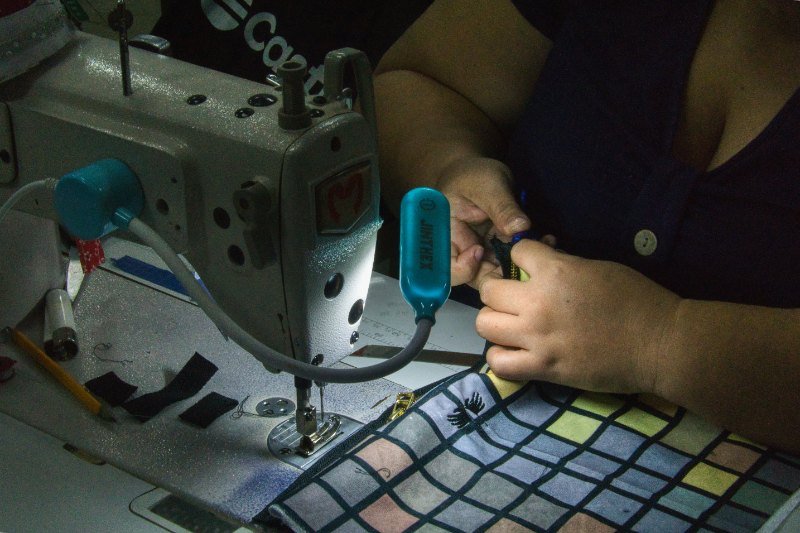
Best sewing machines for quilting by budget
The machines named most often in 2026 US results are the Juki TL-2000Qi, Brother CS7000X, Janome Memory Craft 6650, Baby Lock Allegro and Bernina 570 QE. They cover budgets from about $250 to about $4,000.
Team Joy’s Fabrics reviews and researches these products; we have not tested them.
| Budget | Machine | Price seen | What stands out |
|---|---|---|---|
| Under $300 | Brother CS7000X | About $280 | 70 stitches, wide table, quilt guide, walking foot and hard case, per Google’s AI summary |
| Under $300 | Brother SQ9285 | About $250 | Computerized, sold with a wide table |
| Under $300 | Singer Patchwork 7285Q | About $220 | Sold as a sewing and quilting machine |
| $300 to $1,000 | Janome HD1000 | About $399 | Mechanical, heavy-duty frame |
| $300 to $1,000 | Juki TL-2000Qi | About $899 | Straight-stitch only, up to 1,500 stitches a minute, die-cast aluminum frame, thread cutter, extension table |
| $1,000 to $2,000 | Baby Lock Allegro | About $1,299 | 12-inch work space, 200 stitches, up to 1,000 stitches a minute, knee lifter, thread cutter |
| $1,000 to $2,000 | Janome Memory Craft 6650 | About $1,799 to $2,099 | 10-inch all-metal flatbed, 170+ stitches, independent bobbin winder, drop feed |
| $2,000 and up | Bernina 570 QE | About $3,999 | Dual Feed, thread cutter, 240 stitches, color touchscreen |
Prices from Google Shopping and Google’s AI summary for “best sewing machine for quilting”, United States, 28 November 2026. Sale prices change weekly; check before you buy.
Price alone does not pick a machine. A $280 machine with a walking foot can piece and quilt a lap quilt. A bigger budget mostly buys throat space, speed and a sturdier frame for full-size quilts.
Sewing machine, straight-stitch or long-arm: which kind do you need?
Quilting machines come in three kinds: a regular domestic machine, a semi-industrial straight-stitch machine, and a sit-down or long-arm quilting machine. Most home quilters start with the first.
| Kind | Examples named in results | Good for | Trade-off |
|---|---|---|---|
| Domestic sewing machine | Brother CS7000X, Janome MC6650, Baby Lock Allegro | Piecing, binding, quilting lap and twin quilts | Small throat space for king quilts |
| Straight-stitch machine | Juki TL-2000Qi | Fast, even piecing and straight-line quilting | No zigzag or decorative stitches |
| Sit-down or long-arm machine | Bernina Q16, Q’nique 21X Elite | Quilting full and king quilts | Costs more and needs more room; does not replace a piecing machine |
Machine kinds as described by Madam Sew and Google’s AI summary; our summary, 28 November 2026.
If you piece more than you quilt, buy a good domestic or straight-stitch machine first. Many quilters send big quilts to a long-arm service rather than buying one.
What sewing machine do most quilters use?
There is no survey of what most quilters own. In quilters’ own forums, Juki, Janome, Bernina, Baby Lock and Brother are the brands named again and again.
On Reddit’s r/quilting, quilters widely favor Juki’s TL and HZL series for stitch quality and build, according to Google’s AI summary of those threads. On the Missouri Star quilting forum, one quilter praised Bernina for easy upkeep and called a vintage Singer 301 the most reliable machine ever.
Is Brother or Singer better for quilting?
Neither brand is better across the board. Both sell budget machines marketed for quilting, so compare the features, not the badge.
Check the same five things on any Brother or Singer you are considering:
- Walking foot included, or sold for that model.
- Quarter-inch foot for accurate seams.
- Wide or extension table to hold the quilt’s weight.
- Throat space of at least 8 inches if you plan to quilt bigger than a lap quilt.
- Drop feed dogs if you want free-motion quilting.
The machine that has all five at your budget is the better buy, whichever brand is on it.
How to choose a quilting sewing machine
- You mostly piece tops and send them out to be quilted. Any machine with a reliable straight stitch and a ¼-inch foot will do. A budget computerized machine is fine.
- You quilt your own small quilts. Look for a walking foot, drop feed dogs and an extension table. Lap and baby quilts fit through most home machines.
- You quilt your own large quilts. Throat space becomes the limit. A high-speed straight-stitch machine with an 8½-inch or larger throat helps, and larger quilts may need a longarm or a rental.
- You also sew clothes and bags. A computerized machine gives you zigzag, buttonholes and decorative stitches.
Try a machine at a dealer before buying if you can. Sit at it, run it slow and fast, and quilt a sample sandwich.
Accessories that make quilting easier
- A ¼-inch piecing foot, if not included
- A walking foot for straight-line quilting
- A darning or free-motion foot
- Quilting gloves for grip
- An extension table or a sewing cabinet so the machine bed sits flush
For rulers, cutters and the rest of the basic kit, see our quilting supplies list and our guide to the best quilting rulers. Our guide on how to make a quilt step by step shows how the machine fits into each stage.
Sewing machine for quilting questions
What is the best type of sewing machine for quilting?
A machine with a wide throat, an even straight stitch, a ¼-inch foot, a walking foot and drop feed dogs. High-speed straight-stitch machines suit quilters who quilt their own tops.
How much throat space do I need for quilting?
More is easier for large quilts. Straight-stitch quilting machines such as the Juki TL-2010Q offer about 8½ inches, per dealers. Small quilts fit through most home machines.
Is a computerized machine good for quilting?
Yes, for piecing and light quilting. Models such as the Brother CS7000X include quilting feet and a wide table but sew slower than high-speed straight-stitch machines.
Is the Brother PQ1500SL still available?
Brother’s US website lists it as discontinued. Used machines may still be available through dealers.
Did Joy’s Fabrics test these machines?
No. Team Joy’s Fabrics researched them from makers’ and dealers’ published specifications. We have not tested them.
Your next step
Decide whether you will quilt your own tops, then match throat space and feet to that. For a first project that suits any machine with a straight stitch, see the Two-Fabric Bargello quilt pattern, or call Joy at 817-223-8736.