

By Shariful Alam Pavel · Updated 26 November 2026
To wash a modern cotton quilt, test the colors first, then machine wash it in cold water on a gentle cycle with a mild, dye-free detergent and a color catcher, and dry it flat or on low heat. Heat, agitation and strong detergents do the damage, so keep all three low. Antique and fragile quilts are different: wash them by hand in a tub, or ask a textile conservator first. This guide covers the colorfastness test, machine and hand washing, drying, stains and how often to wash, so a handmade quilt lasts for decades.
Key facts
- Wash modern cotton quilts in cold water on a gentle or delicate cycle.
- Use a mild, dye-free detergent; skip fabric softener and bleach.
- Test each color for bleeding before the first wash, and add a color catcher.
- A front-loading machine is gentler than a top-loader with an agitator.
- Dry flat on towels or tumble briefly on low; heat causes shrinkage and stress.
- Antique and fragile quilts should be hand washed or checked by a textile conservator.
Before you wash: modern quilt or heirloom?
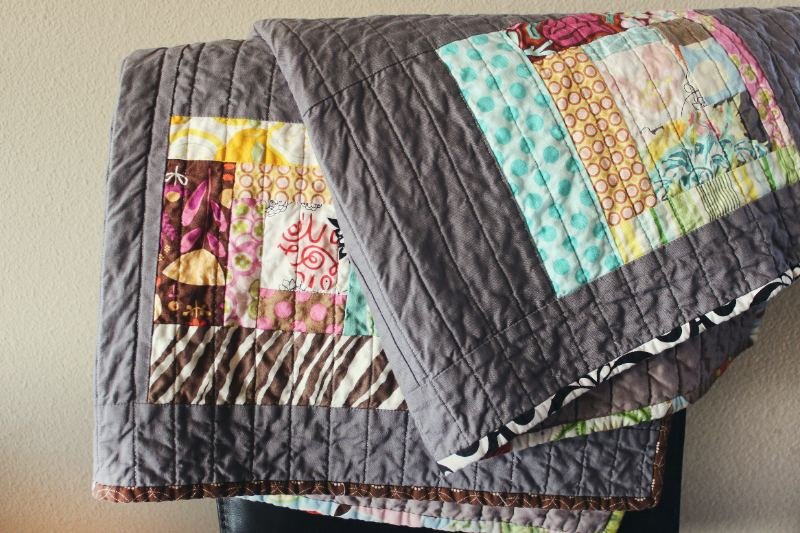
Decide first which kind of quilt you have. The San Jose Museum of Quilts and Textiles notes that many modern cotton bed quilts made with colorfast dyes are meant to be laundered regularly and can go in the machine. Antique, heirloom and art quilts need gentler treatment, and the International Quilt Museum recommends talking with a textile conservator before washing fragile textiles.
| Quilt | Washing method | Drying |
|---|---|---|
| Modern cotton bed or lap quilt | Machine, cold, gentle cycle | Flat, or low tumble then flat |
| New handmade quilt, first wash | Test colors, machine wash with color catchers | Flat or low tumble |
| Art quilt or wall hanging with embellishments | Spot clean or hand wash | Flat |
| Antique or fragile quilt | Hand wash in a tub, or a conservator | Flat only, never in a dryer |
If you are unsure, treat the quilt as fragile.
Check the label first. If a quilt is marked dry clean only, follow it. For antique quilts, avoid dry cleaning, which some quilt care guides warn can damage old fibers.
Test for colorfastness
Bright and dark fabrics can bleed. The University of Nebraska–Lincoln’s quilt care guide describes the test: put a few drops of water on an out-of-the-way spot of each color, let them soak in, then blot with a white cloth. Repeat a few times. If color comes off, do not wash yet.
Missouri Star suggests soaking a quilt that bleeds in cool water with a color fixative such as Retayne, following the product directions, before washing.
How to machine wash a quilt
- Shake out dust and spot treat stains with a dab of mild detergent.
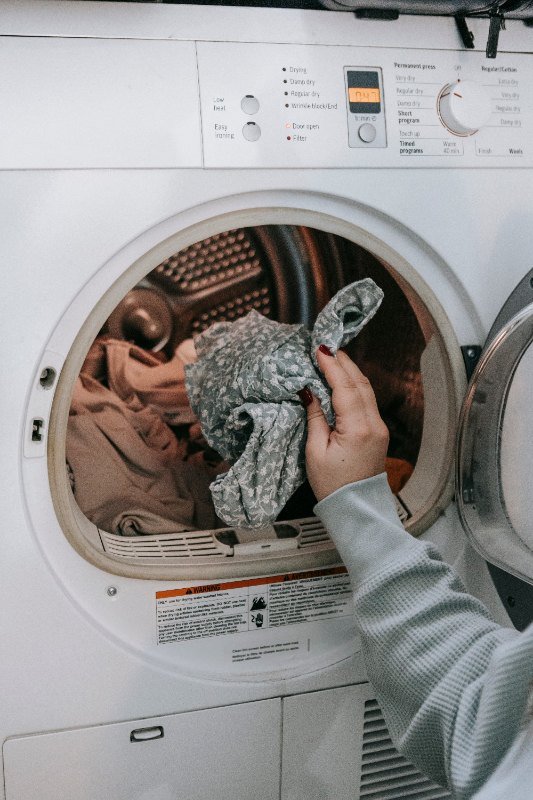
- Use a front-loader if you can. Missouri Star recommends a front-loader on a gentle cycle and warns against a top-loader agitator. A large quilt may need a laundromat machine.
- Set cold or cool water and the gentle or delicate cycle.
- Add a mild, dye-free detergent. Missouri Star names Synthrapol, Retayne for setting color, or a gentle quilt wash; Orvus Quilt Soap is a pH-neutral option long used on vintage quilts.
- Add one or two color catchers to trap any loose dye.
- Skip fabric softener and bleach.
- Lift the wet quilt from underneath. A wet quilt is heavy; pulling one corner strains the stitches.
How to hand wash a fragile quilt
For older or delicate quilts, use a clean bathtub:
- Fill the tub with cool water and dissolve a small amount of gentle quilt soap.
- Lay the quilt in flat and press it down gently with your hands. Do not rub, wring or twist.
- Drain, then refill with clean cool water and press again. Rinse until the water runs clear.
- Press out water with towels, then support the whole quilt as you move it to dry.
The University of Nebraska–Lincoln guide suggests changing the water whenever it becomes soiled, and trying plain water before a detergent solution.
How to dry a quilt
Drying is where many quilts are damaged.
- Flat is safest. Lay the quilt on clean towels or a sheet on the floor or a bed, out of direct sun, and turn it as it dries.
- Low tumble for sturdy modern quilts. Missouri Star suggests a short tumble on low to start the crinkle, then finishing flat.
- Avoid hanging a wet quilt. The weight of water pulls on seams and batting.
- Never put an antique quilt in a dryer.
Expect some shrinkage on the first wash. Missouri Star notes cotton quilts can shrink 3 to 5 percent, which gives the soft, crinkled look many quilters like.
How often to wash a quilt
Wash a quilt only when it needs it. Every wash wears fibers and fades color a little. Between washes, air the quilt outside in the shade, vacuum dust through a screen on low suction for delicate quilts, and keep it out of direct sun when it is on display.
Caring for gradation and art quilts
Quilts made from printed gradation fabric, such as Gelato, Effervescence and Essential Gradations, follow the same cold, gentle rules. One retailer’s Gelato listing advises a cold delicate wash, no bleach and a low tumble dry, and Missouri Star recommends cold water to keep ombre colors vibrant.
Several of Joy’s art quilts carry crystals or Ultrasuede appliqué. Treat embellished quilts as wall pieces: dust them and spot clean rather than machine wash. Before you buy one of Joy’s handmade quilts, ask Joy how that piece should be cleaned.
Quilt washing questions
Can you put a quilt in the washing machine?
Most modern cotton quilts, yes: cold water, gentle cycle, mild detergent. Antique, fragile and embellished quilts should be hand washed or spot cleaned.
What temperature should I wash a quilt?
Cold or cool. Hot water can set stains, make dyes run and shrink the quilt.
Should I use a color catcher when washing a quilt?
Yes, especially on the first wash or with bright reds and darks. It traps loose dye before it lands on lighter fabrics.
How do you dry a quilt without damaging it?
Lay it flat on clean towels, or tumble a sturdy modern quilt briefly on low and finish it flat. Never put an antique quilt in a dryer.
How often should you wash a handmade quilt?
Only when it is soiled. Air it between washes and keep it out of direct sun.
Your next step
Test the colors, then wash cold and gentle and dry flat. For what handmade quilts cost and how to judge their quality, read our guide to handmade quilt cost, or see all of Joy’s handmade quilts for sale.